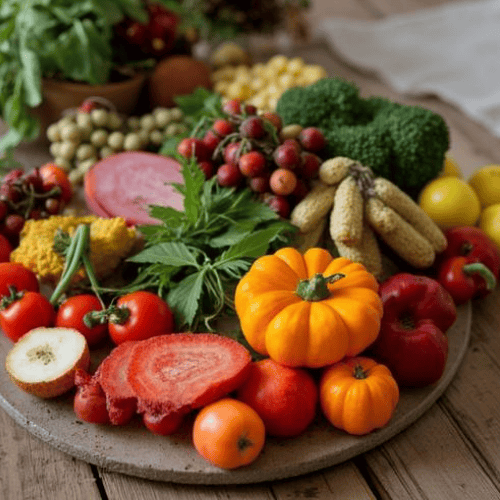
 antioxidants
Antioxidants - what are they and why do they matter?
Antioxidants are compounds that may help protect your body from damage caused by unstable molecules known as free radicals. You’ll often hear them mentioned in the context of healthy eating—and for good reason. A diet rich in antioxidant-containing foods is consistently linked with better overall health.
What Are Antioxidants?
Antioxidants are molecules that neutralize free radicals. These harmful molecules are produced naturally in your body during processes like metabolism, but they can also come from external sources such as air pollution, smoking, UV radiation, and poor diet.
When free radicals build up, they can lead to a condition called oxidative stress, which damages cells and contributes to aging.
By reducing oxidative stress, antioxidants may help:
- Protect cells from damage
- Support immune function
- Lower the risk of certain chronic conditions
- Slow aspects of aging at the cellular level
How Do Antioxidants Work?
Free radicals are unstable because they lack a full complement of electrons. To stabilize themselves, they steal electrons from other molecules—damaging those molecules in the process.
Antioxidants step in by donating some of their own electrons, effectively neutralizing free radicals. In doing so, they act as a natural “off switch” for oxidative damage.
Types of Antioxidants
Antioxidants can be broadly divided into natural and synthetic types.
- Synthetic antioxidants are mainly used in food preservation. Common examples include butylated hydroxyanisole (BHA) and butylated hydroxytoluene (BHT).
- Natural antioxidants can be further classified into exogenous and endogenous.
Exogenous Antioxidants (From Diet)
These antioxidants are not produced by the body and must be obtained through food or supplements. They include:
- Vitamins such as vitamin C and vitamin E
- Minerals like selenium, zinc, and copper
- Plant-derived compounds such as carotenoids and polyphenols
Endogenous Antioxidants (Made by the Body)
These are produced internally and serve as the body’s primary defense system against oxidative stress.
They can be divided into:
1. Enzymatic antioxidants, including:
- Superoxide dismutase (SOD)
- Catalase (CAT)
- Glutathione peroxidase (GPx)
These enzymes work together to convert reactive oxygen species (ROS) into harmless molecules like water.
2. Non-enzymatic antioxidants, which also support internal defense systems.
Best Food Sources of Antioxidants
The best way to get antioxidants is through a varied, whole-food diet. Some excellent sources include:
- Fruits: blueberries (anthocyanins), grapes (resveratrol), oranges (vitamin C)
- Vegetables: kale and broccoli (carotenoids like lutein and zeaxanthin, plus compounds such as sulforaphane and flavonoids like quercetin and kaempferol)
- Nuts and seeds: brazil nuts (selenium), sunflower seeds (vitamin E)
- Beverages: green tea (epigallocatechin gallate (EGCG)), coffee (chlorogenic acids (CGAs))
- Other sources: cacao (flavanols), olive oil (polyphenols)
A simple rule: the more colorful your plate, the richer it is in antioxidants.
Final Takeaway
Antioxidants play an important role in protecting the body from oxidative stress and supporting overall health. A balanced diet that includes a variety of fruits, vegetables, and whole foods can help provide a wide range of these compounds.
Focusing on variety, color, and consistency is a practical way to support adequate antioxidant intake.
References:
Disclaimer: This article is for informational and educational purposes only and is not intended as medical advice, diagnosis, or treatment. Always consult a qualified healthcare provider before making changes to your diet, exercise, or health regimen. While we aim to provide accurate and up-to-date information, we can't guarantee its completeness or reliability. Some blog posts may include links to external sources for reference. We are not responsible for the content, accuracy, or practices of those websites.
 Previous Post
 Recent posts
Antioxidants - what are they and why do they matter?
April 2, 2026


Intermittent Fasting - What Do We Know So Far?
July 21, 2025
Vitamin C - Benefits and Best Food Sources
May 8, 2024